Views: 0 Author: Site Editor Publish Time: 2025-09-17 Origin: Site


Furniture design has always reflected the cultural, economic, and social values of different times. Among the many furniture types that have stood the test of time, wicker chairs are perhaps the most fascinating. They represent both tradition and innovation, offering a unique glimpse into the artistry of weaving while remaining relevant in modern design. Wicker chairs have evolved from simple, handcrafted pieces used in ancient civilizations to versatile, stylish seating options found in homes, hotels, cafes, and outdoor spaces around the world today.
The journey of wicker chairs is not just about aesthetics; it also highlights the resilience of craftsmanship, the adaptation of natural materials, and the creativity of modern designers. This article will explore the evolution of wicker chairs, beginning with their ancient origins and moving through their transformation into contemporary furniture icons, showing why they continue to captivate people across generations.
The story of wicker chairs begins thousands of years ago in ancient Egypt, where reeds, swamp grasses, and palm stems were woven into functional furniture. Wicker was lightweight yet strong, making it ideal for hot climates where ventilation was essential. Archaeological discoveries, including furniture found in the tomb of Tutankhamun, show that wicker chairs were not just utilitarian but also symbols of status and refinement.
As civilizations traded materials and ideas, wicker techniques spread to ancient Rome, where chairs and baskets were crafted from willow and other flexible plants. The Romans admired wicker for its practicality and used it widely in villas, gardens, and ships. In China and Southeast Asia, bamboo and rattan became the materials of choice, and weaving developed into a skilled art form passed down through generations.
This early period established the foundation for wicker furniture: natural fibers combined with intricate weaving to create items that were durable, beautiful, and multifunctional.
The popularity of wicker chairs experienced a major revival during the Victorian era of the 19th century. With the expansion of global trade, rattan and other exotic materials from Asia became more widely available in Europe and North America. This era saw wicker furniture being embraced not just for outdoor use but also as a stylish addition to indoor spaces.
Victorian wicker chairs were elaborate, with detailed patterns and decorative flourishes. They were often used in parlors, conservatories, and sunrooms, where families entertained guests and enjoyed leisure time. The light, airy look of wicker matched the growing fascination with nature and the outdoors.
During this period, wicker chairs became a symbol of refinement, leisure, and cultural sophistication. They were no longer limited to practical use but became an essential element of fashionable interiors.
As the world entered the early 20th century, design movements such as Art Deco and Modernism began to influence furniture styles. Wicker chairs were adapted to fit these new design principles. Instead of overly ornate Victorian patterns, wicker designs became simpler, cleaner, and more functional.
In the United States, wicker furniture was mass-produced for both middle-class homes and luxury resorts. Its association with relaxation grew stronger, especially in outdoor settings like porches, patios, and gardens. In Europe, designers began experimenting with blending wicker with wood and metal frames, creating hybrid furniture pieces that balanced tradition with industrial progress.
The resilience of wicker during this era lay in its adaptability. It could embody elegance in indoor lounges while still being casual enough for beach houses and outdoor retreats.
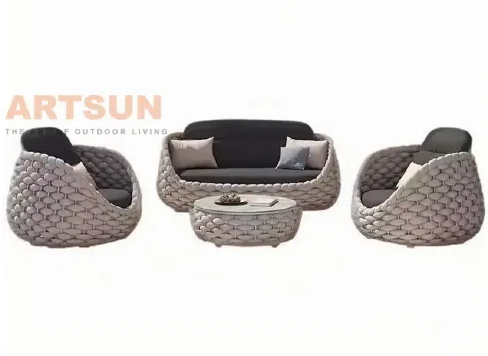
The mid-20th century was a transformative time for wicker chairs, as they became associated with modern leisure lifestyles. After World War II, as economies recovered and suburban living expanded, wicker furniture became a staple in homes with gardens, terraces, and patios.
Designers began creating iconic wicker chair shapes that are still admired today. The famous peacock chair, with its dramatic high back and intricate weaving, became a cultural icon of the 1960s and 1970s. Wicker also became linked with bohemian and tropical styles, often associated with travel, relaxation, and exotic living.
During this period, wicker chairs were also used in hospitality spaces such as hotels and restaurants. Their lightweight construction and natural aesthetic made them appealing in places where comfort and atmosphere were equally important.
One of the most significant changes in the evolution of wicker chairs came with the introduction of synthetic materials in the late 20th century. Natural wicker, though beautiful, was vulnerable to moisture, sunlight, and wear. Designers and manufacturers began to use synthetic resin fibers, which mimicked the look of natural rattan but were far more durable.
This innovation revolutionized outdoor furniture. Synthetic wicker chairs could withstand rain, UV rays, and changing weather conditions without losing their shape or color. They also required less maintenance, making them practical for modern lifestyles.
With synthetic wicker, designers had greater flexibility in experimenting with shapes, colors, and combinations of materials. As a result, wicker chairs became even more diverse, ranging from traditional woven patterns to sleek, contemporary designs.
Today, wicker chairs remain popular across a wide range of design trends. Modern designers appreciate their ability to blend tradition with innovation, offering both nostalgia and fresh style.
In minimalist interiors, wicker chairs add warmth and texture, preventing spaces from feeling too sterile. In bohemian or coastal designs, they serve as centerpieces that highlight natural beauty and relaxation. In luxury settings, wicker is often paired with metal, glass, or plush fabrics to create striking contrasts.
Commercial spaces such as cafes, resorts, and boutique hotels continue to use wicker chairs to create inviting and stylish atmospheres. Their timeless design appeals to customers seeking both comfort and aesthetic charm.
Another trend in contemporary wicker chairs is sustainability. Many designers now focus on using responsibly sourced natural rattan or eco-friendly synthetic alternatives. This aligns with the growing demand for furniture that is not only beautiful but also environmentally responsible.
The enduring success of wicker chairs can be attributed to more than just aesthetics. Their practical benefits also play a significant role. They are lightweight, making them easy to move around. They are comfortable, thanks to the flexibility of the woven structure. They are also versatile, fitting seamlessly into both indoor and outdoor environments.
When made with quality materials and proper care, wicker chairs are long-lasting investments. Whether natural or synthetic, they continue to offer a balance of beauty, durability, and functionality.
Part of the wicker chair’s timeless appeal lies in its ability to evoke emotions. Many people associate wicker chairs with leisure, summer afternoons, and family gatherings. Sitting in a wicker chair can trigger memories of porches, gardens, or vacations, creating a sense of nostalgia and warmth.
This emotional connection ensures that wicker chairs remain more than just furniture; they are symbols of comfort, tradition, and cherished experiences.
The evolution of wicker chairs is a story of resilience, adaptation, and timeless beauty. From ancient Egyptian craftsmanship to the elaborate designs of the Victorian era, from the functional modernism of the early 20th century to the versatile synthetic innovations of today, wicker chairs have consistently adapted to the needs and tastes of each generation.
Their ability to blend tradition with contemporary design ensures that they remain relevant, whether in a cozy home, a stylish café, or a luxury resort. More than just seating, wicker chairs embody cultural heritage, craftsmanship, and the enduring human desire to connect with nature through design.
As we move into the future, wicker chairs will likely continue to evolve, incorporating sustainable materials and innovative styles, but their timeless appeal will always rest in their ability to combine classic craftsmanship with modern trends.


