Views: 0 Author: Elsa Publish Time: 2025-11-08 Origin: Site


In the evolving hospitality landscape, outdoor environments no longer serve merely as transitional zones. They have become core guest experience zones—from pool-side lounges and rooftop bars to garden terraces and cabanas. As a procurement manager or project buyer, you understand that the right outdoor furniture does more than furnish space—it defines comfort, brand identity, guest loyalty, and long-term value.
But with that elevated role comes elevated complexity. You may face key questions:
How can you find an outdoor furniture supplier who understands heavy use, harsh climates, branding, and customization?
How do you balance aesthetic design trends with the durability and maintenance standards essential for hotels and resorts?
How can you ensure the furniture is aligned with sustainability, flexible layouts, and modern guest expectations?
This guide is written for you—the B2B project buyer responsible for selecting furniture for hotel and resort outdoor zones. Drawing on the latest market research, design insights, and procurement strategies, we’ll walk you through 2025’s major design trends, key material innovations, supplier evaluation checklists, and how to build long-term value into your outdoor furniture choices.
According to recent industry reports, the global outdoor furniture market is projected to grow from around USD 53.27 billion in 2024 to approximately USD 56 billion in 2025, and further to USD 81.44 billion by 2032, representing a CAGR of about 5.5%.
For the hospitality sector specifically, growth is even more pronounced: one study forecasts the commercial outdoor furniture segment will grow at a CAGR of 6.6% from 2025 to 2033. This uptick is driven by resorts, hotels, and destination hospitality operators prioritizing outdoor guest areas.
Guest Expectations: Modern guests expect outdoor zones to align with the comfort and design standard of interior spaces—be it sun-loungers by a resort pool or designer cabanas overlooking an island sea.
Brand Differentiation: Outdoor design enables hotels to showcase brand aesthetic and experiential value in a way that standard indoor furniture rarely does.
Sustainability and ESG: Hotels with green credentials increasingly demand outdoor furniture built with recycled materials, durable performance, and lower lifecycle cost.
Multi-use Spaces: Outdoor areas now serve many roles—breakfast terraces, event zones, wellness lounges—so flexibility and modularity matter more than ever.
Sustainability is no longer optional—it’s expected. For hotel and resort procurement, this means specifying materials like FSC-certified teak, recycled aluminum, eco-rope weaving, and weather-resistant, low VOC fabrics. The market shift towards eco-friendly outdoor furniture is clear: designers are now recommending materials that support both durability and environmental integrity.
Durability remains a core requirement in high-traffic hospitality zones. For instance:
Powder-coated aluminum frames with 80 µm thickness deliver rust protection, lightweight mobility, and structural strength.
Quick-dry high-density foam cushions covered with acrylic or Olefin fabric resist mildew and fading, vital in tropical or pool-adjacent locations.
Rope weaving made from UV-stable synthetic fibers enables the handcrafted look of rope furniture, but with endurance suited for outdoor commercial use.
By integrating both sustainability and performance specs, you can avoid the common mismatch between “luxury look” and “hotel durability” in outdoor furniture.
Hotels and resorts increasingly value outdoor furniture systems that can be reconfigured for different guest flows or events. For instance: a lounge configuration in the morning for families, a cocktail layout in the evening, or a banquet setup on weekends.
Sectional lounges with interchangeable arms and ottomans
Dining sets with removable leaves to transition from casual to formal settings
Stackable or foldable chairs and tables for seasonal storage or event re-use
Unified frame systems allowing matching lounges, dining, and bar furniture under one structural “kit”
This flexibility means fewer “one-off” purchases and maximizes ROI across different zones—pool deck, rooftop terrace, beach club, etc.
The visual language of indoor spaces is migrating outside. Neutral color palettes—sand, taupe, sage—and softer curves in furniture frames bring continuity across interior and exterior zones. Hand-woven texture, matte finishes, and sculptural forms align with contemporary hospitality design. Insights from 2025 trend reports confirm this shift.
One of the strongest design motifs for hotel outdoor furniture in 2025 is rope weaving combined with mixed materials—aluminum frame plus rope armrest, teak top plus synthetic rope base. This fusion offers a premium tactile experience while meeting commercial durability requirements.
The idea of outdoor furniture being just “chairs and tables” is outdated. Resorts now demand deep-lounge seating, daybeds, cabanas, and ergonomic recliners built for wellness and relaxation. The comfort experience is now as important as design aesthetic.
Begin with clarity—identify zones (pool, dining, lounge, villa terrace), quantities, expected lifespan (10-15 yrs typical for hospitality), maintenance capabilities, climate conditions, and brand aesthetic.
Ask suppliers to provide:
Frame material specs (e.g., aluminum grade 6061, wall thickness, coating)
Fabric specs (UV rating, water repellency, fire rating)
Weave specifications for rope (pull strength, UV-aging test)
Test reports: salt spray, UV ageing, load tests
Ensure the supplier offers OEM/ODM services: custom finishes, color matching, branded cushions, layout support, 3D renderings.
Check factory capacity, lead times, shipping packaging, intermodal logistics for container loading, and timely delivery for large-scale resort rollouts.
For hotel outdoor furniture, the lifecycle matters. Look for suppliers who guarantee: replacement parts, cushion cover availability, repair kits, extended warranty.
Supplier Selection Checklist
| Criteria | Why It Matters |
|---|---|
| Hospitality project references | Shows proven experience |
| Full materials breakdown | Ensures true commercial-grade furniture |
| Customization flexibility | Crucial for branding & resort identity |
| Production/logistics transparency | Mitigates risk of delays |
| Maintenance infrastructure | Protects long-term investment |
Outdoor furniture trends don’t evolve in isolation — they are shaped by regional climates, cultural preferences, and guest lifestyles. Understanding these nuances can help project buyers make globally informed decisions that align with their brand’s geography and guest demographics.
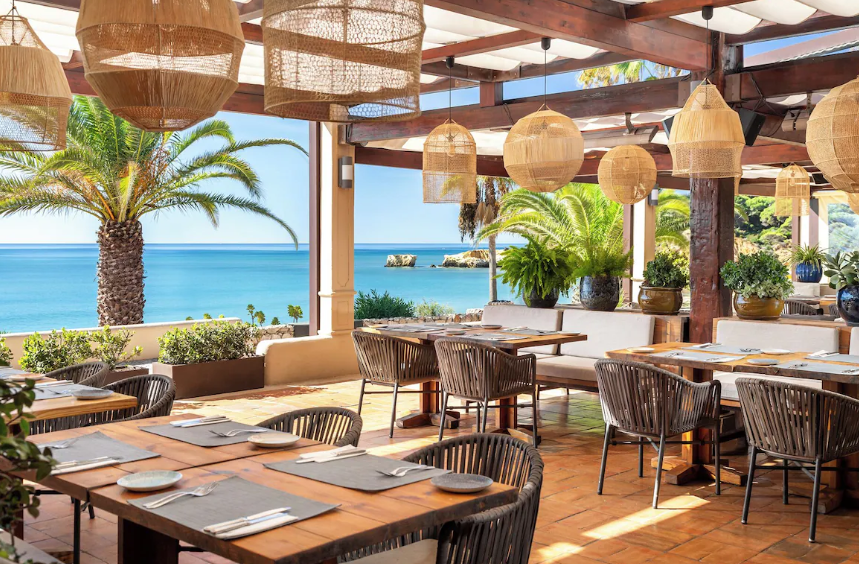
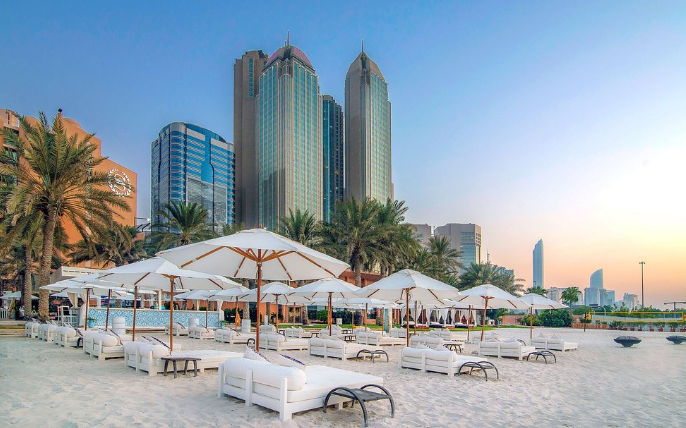
In coastal and desert regions such as the UAE, Greece, or Morocco, heat resistance and color neutrality dominate design priorities.
Preferred materials: powder-coated aluminum, ceramic tops, and UV-stable rope.
Design aesthetics: minimalist silhouettes, light sand and stone tones, woven accents that reflect the region’s artisanal heritage.
Functionality: removable cushions and breathable fabrics like Sunbrella® or Olefin, ensuring guest comfort even in 45°C climates.
Mediterranean Resorts
Middle Eastern Resorts
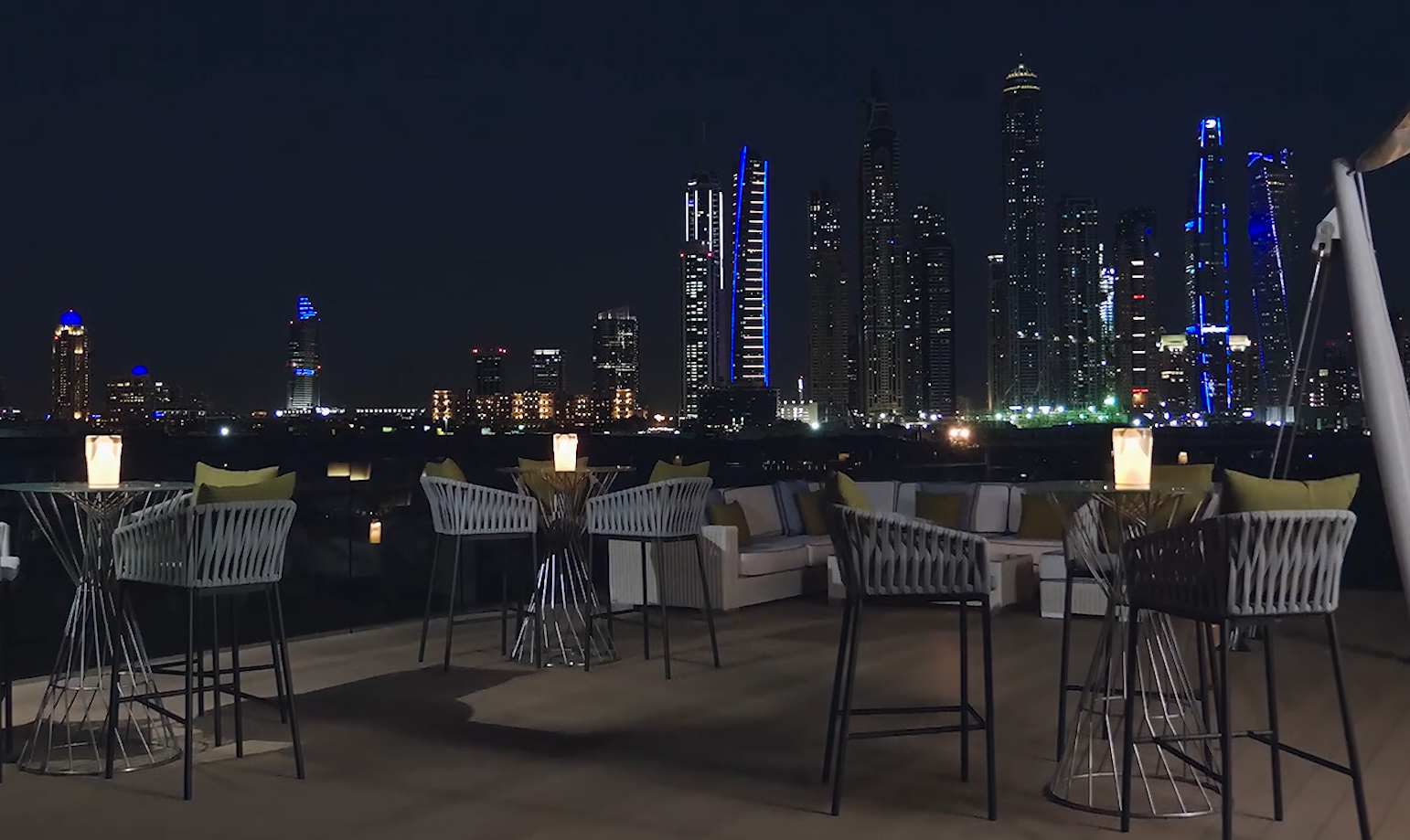
(Source: One&Only The Palm | Luxury Beach Resort in Palm Jumeirah)
Hotels like the One&Only The Palm (Dubai) showcase this fusion of modern minimalism with cultural authenticity—an approach that elevates outdoor zones into luxurious retreats.
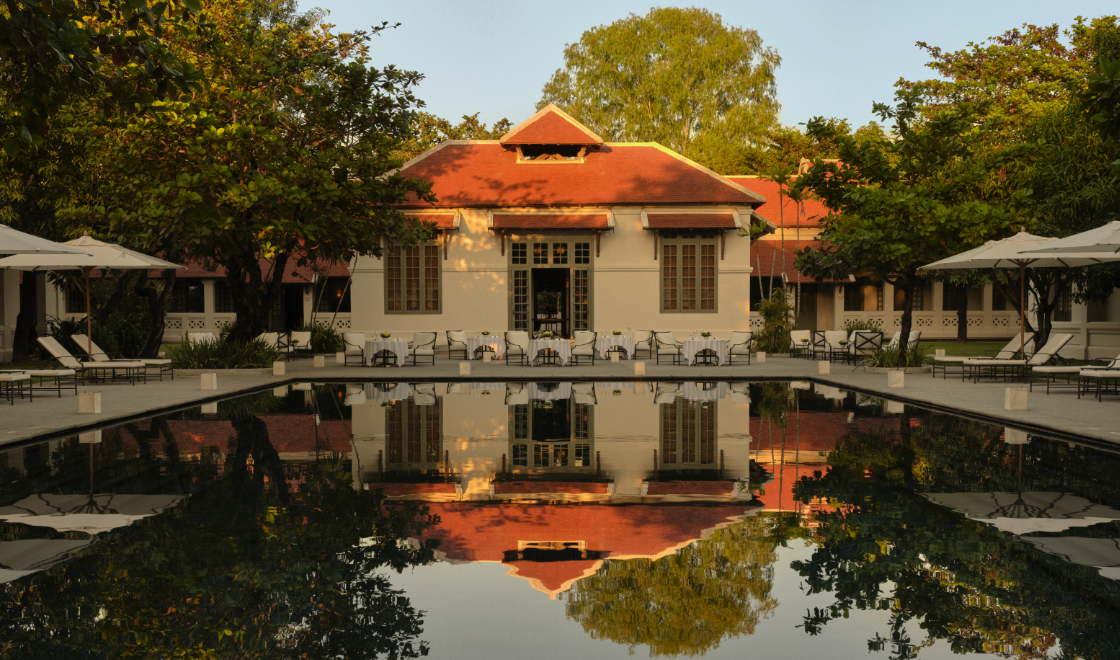
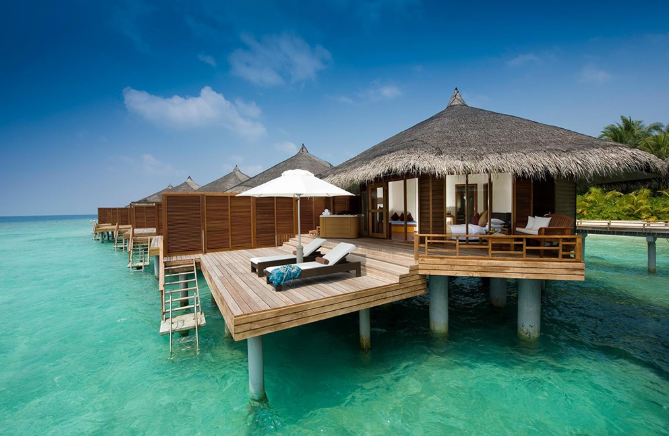
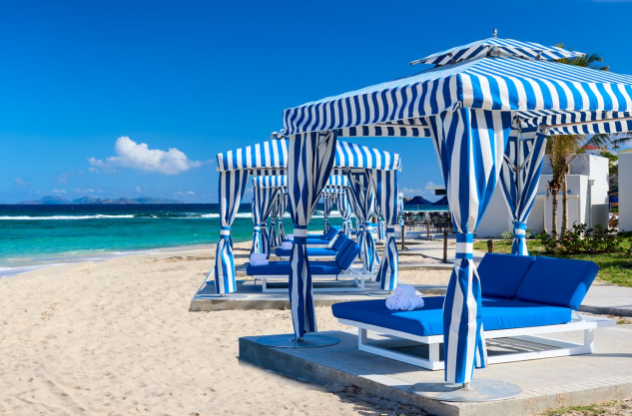
These environments require furniture that performs under intense humidity, salt exposure, and strong UV.
Preferred materials: marine-grade aluminum, synthetic wicker, reclaimed teak, and acrylic fabrics.
Design themes: tropical modernism, organic lines, and “barefoot luxury” ambiance.
Color palettes: ivory, bamboo brown, ocean blue, and coral tones reflecting island serenity.
Southest Asia
Maldives
Caribbean
For high-rise hotels and city resorts, space efficiency and design innovation are the keys.
Modular lounge systems, bar-height sets, and firepit tables create premium guest experiences even in limited square footage.
Matte black aluminum and teak hybrid designs add a contemporary, upscale appeal.
Lighting integration — such as solar LED strips under lounge bases — merges aesthetics with technology.
The hospitality industry is now embracing tech-enabled outdoor furniture.
Built-in charging ports, wireless charging tables, and Bluetooth speakers integrated into side tables are becoming sought-after upgrades.
IoT-enabled umbrellas and shading systems can now auto-adjust to sunlight levels, optimizing guest comfort while conserving energy.
Advanced suppliers provide digital traceability — QR codes on products that show material origins, sustainability certificates, and maintenance records.
This aligns with ESG reporting needs for hotel brands that prioritize responsible sourcing.
Technological advancement isn’t just digital — it’s also in ergonomics and material science.
3D-knitted outdoor textiles improve airflow and durability.
Foam innovations provide body-contouring comfort while maintaining quick-dry performance.
CNC precision frames reduce welding fatigue, ensuring long-term alignment in modular systems.
Based on global forecasts and hospitality project analysis, here are five future-forward outdoor furniture trends defining 2026–2030:
Research is accelerating into biopolymers, recycled ocean plastics, and bamboo composites as substitutes for traditional synthetics. These materials are expected to dominate sustainability-driven resorts.
Future outdoor layouts will focus on emotional well-being — spaces that promote relaxation, mindfulness, and reconnection with nature. Expect built-in shade cabanas, daybeds with privacy screens, and hammocks with ergonomic design.
Color theory will play a growing role in hospitality design. Neutral sand tones for calm, emerald green for rejuvenation, and deep blues for luxury are becoming the visual identity of high-end resorts.
Soundscapes, fragrance integration, and soft ambient lighting are merging with outdoor furniture systems. The goal: to transform terraces into immersive “micro-resorts”.
Suppliers that use data analytics to predict guest behavior or furniture wear patterns will become invaluable partners for hotel groups looking to reduce long-term maintenance costs.
Selecting an outdoor furniture supplier for a hospitality project involves more than comparing catalogs. It’s a strategic partnership affecting design coherence, maintenance cycles, and brand integrity.
Ask for previous projects — hotels, resorts, or commercial spaces. Evaluate case studies that demonstrate performance under real-world conditions.
A top-tier outdoor furniture supplier should offer design adaptation:
Custom colors and finishes
Bespoke cushion patterns
Modular design support and 3D space planning
Confirm materials sourcing, production QC, and inspection reports.
Ask for certifications like ISO9001, SGS, or BSCI compliance.
Ensure the factory has export experience, especially with your region’s climate and standards.
Hospitality projects rely on reliable timelines. Choose suppliers with consistent updates, sample approvals, and after-sales service — replacement cushions, spare parts, and technical assistance.
Beyond supply, you need a partner who co-creates: offering prototype samples, assisting in design development, and problem-solving throughout project execution.
| Priority | Recommendation |
|---|---|
| Design Relevance | Match indoor luxury with outdoor comfort |
| Material Durability | Choose weather-tested, commercial-grade materials |
| Supplier Capability | Verify OEM/ODM strength and hospitality references |
| Sustainability | Demand traceable eco-materials and certifications |
| Budget Efficiency | Prioritize modular designs for long-term ROI |
| Partnership Approach | Work with suppliers that offer co-design and after-sales |
Choosing outdoor furniture for hotel and resort projects is not just a purchase — it’s a strategic design investment. The right supplier partnership will help you align aesthetics, durability, and brand identity across every outdoor space — from beachfront lounges to rooftop bars.
Hotels that invest in timeless design and durable materials see longer refresh cycles, fewer replacement costs, and stronger guest satisfaction metrics.
As hospitality design continues to evolve toward outdoor-centric lifestyles, the key to success lies in finding suppliers who blend creativity, engineering, and reliability.
At ARTSUN, we understand that outdoor furniture for hospitality demands precision, flexibility, and reliability.
We combine aluminum craftsmanship, handwoven rope artistry, and bespoke design services to meet project-specific requirements.
Our in-house R&D and custom design team collaborates with hotel architects and procurement managers worldwide.
From concept to container, ARTSUN ensures quality consistency, material traceability, and timely delivery for large-scale resort projects.
Whether you’re sourcing poolside loungers, dining sets, or modular daybeds, ARTSUN delivers collections that elevate your brand’s outdoor identity.


