Views: 0 Author: Site Editor Publish Time: 2025-06-09 Origin: Site


Crafting your own wood sun lounger is a fulfilling project that combines creativity, craftsmanship, and the joy of outdoor relaxation. A sun lounger serves as the perfect addition to your garden or patio, providing a comfortable spot to bask in the sunlight. This comprehensive guide will walk you through the process of building a wood sun lounger from scratch, offering detailed instructions, expert tips, and insights into material selection to ensure a durable and aesthetically pleasing result.
Before embarking on this woodworking journey, it's essential to gather all necessary materials and tools. Selecting high-quality wood and the right tools will significantly impact the longevity and appearance of your sun lounger.
The type of wood you select will determine the durability and maintenance requirements of your sun lounger. Opt for weather-resistant woods such as teak, cedar, or redwood. These woods are naturally resistant to rot, decay, and insects, making them ideal for outdoor furniture.
Teak is renowned for its strength and weather resistance, albeit at a higher cost. Cedar is more affordable and offers decent resistance to elements. Redwood provides a balance between cost and durability, with a rich color that enhances the aesthetic appeal of your sun lounger.
Having the right tools is crucial for precision and safety. Ensure you have the following:
Measuring tape and ruler
Circular saw or table saw
Power drill with various drill bits
Screwdrivers
Wood clamps
Sandpaper (various grits)
Wood screws and bolts
Protective gear (safety glasses, gloves)
A well-thought-out design is the foundation of a successful project. Consider ergonomics, adjustability, and style when planning your sun lounger. Decide whether you prefer a fixed position or an adjustable backrest for varied reclining angles.
Draft a detailed plan or obtain a blueprint that includes all dimensions and components. Accurate measurements are vital to ensure all parts fit together seamlessly. Your blueprint should outline the frame, seat slats, backrest, and any adjustable mechanisms.
The comfort of your sun lounger is paramount. Incorporate ergonomic principles into your design by ensuring the seat height, depth, and backrest angle support natural body posture. Cushioning can enhance comfort, so consider dimensions that accommodate standard outdoor cushions.
With your design in hand, proceed to cut the wood to the specified dimensions. Precision during this step is crucial for the stability and appearance of the final product.
Use your measuring tape to carefully mark each piece of wood according to your blueprint. Double-check all measurements to prevent mistakes that could lead to wasted materials or structural issues.
Employ a circular saw or table saw for straight cuts, ensuring blades are sharp for clean edges. For any curved components, a jigsaw may be necessary. Always follow safety protocols, using protective gear and securing the wood with clamps during cutting.
After cutting, sand all pieces starting with a coarse-grit sandpaper and progressing to a finer grit. This process smooths the surfaces, removes splinters, and prepares the wood for finishing.
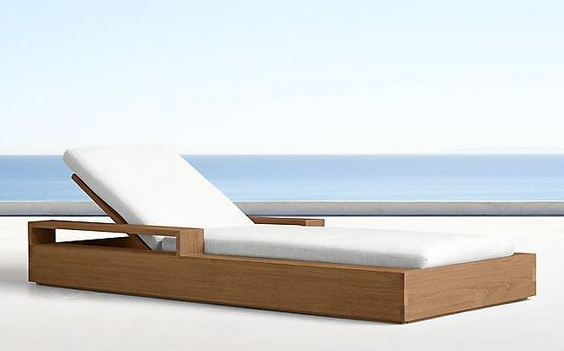 The assembly phase brings your project to life. Carefully follow your blueprint to ensure all components are correctly positioned and secured.
Begin by assembling the base frame. Align the side rails and cross supports, then secure them using wood screws or bolts. Pre-drilling holes can prevent the wood from splitting and ensure alignment.
Attach the seat slats evenly across the frame, leaving small gaps for drainage and expansion. For the backrest, ensure it's properly hinged if adjustable, or securely fixed if stationary. Test the movement to confirm smooth operation.
If your design includes adjustability, install the mechanism now. This could involve a series of notches and a support bar to allow for different reclining positions. Use durable hardware to withstand frequent adjustments.
The finishing stage enhances both the appearance and longevity of your sun lounger. Proper sealing and finishing protect the wood from weather elements.
Apply a high-quality outdoor wood sealant to protect against moisture, UV rays, and temperature fluctuations. Options include varnish, stain, or paint, depending on your aesthetic preference. Follow the manufacturer's instructions for application and drying times.
Enhance comfort by adding weather-resistant cushions designed for outdoor use. Consider accessories such as a small attached table, wheels for mobility, or an adjustable canopy to provide shade on sunny days.
Regular maintenance ensures your wood sun lounger remains in excellent condition for years to come. Clean the lounger periodically with mild soap and water, and inspect for any signs of wear or damage.
Reapply sealant annually or as recommended to maintain protective coatings. Store the sun lounger indoors during harsh weather conditions or use protective covers to shield it from the elements.
For those looking to elevate their project, consider incorporating advanced woodworking techniques or custom features.
Explore different joinery methods such as mortise and tenon or dovetail joints for enhanced strength and aesthetic appeal. These techniques require precision but add a professional touch to your sun lounger.
Add character by incorporating decorative inlays or carving designs into the wood. Use contrasting wood types or materials like metal or stone to create unique patterns or motifs.
Consider using eco-friendly stains and sealants that are low in volatile organic compounds (VOCs). These products are better for the environment and provide a safer option for outdoor furniture.
Prioritizing safety during construction is essential. Always wear protective gear, and ensure your workspace is well-organized to prevent accidents.
Familiarize yourself with the proper operation of all power tools. Keep saw blades sharp, and use guards where applicable. Disconnect tools from power sources when not in use.
Maintain a clean workspace free of clutter. Ensure adequate lighting and ventilation, especially when applying finishes that emit fumes.
Building a wood sun lounger can be cost-effective compared to purchasing a high-quality pre-made piece. The total cost depends on material choices, tools required, and any additional features.
Budget for premium wood if longevity is a priority. While initial costs may be higher, the investment pays off in durability and reduced maintenance over time.
Using sustainably sourced wood minimizes environmental impact. Look for certifications such as the Forest Stewardship Council (FSC) to ensure responsible forestry practices.
Additionally, choosing non-toxic finishes and sealants contributes to a healthier environment and reduces exposure to harmful chemicals.
Experienced woodworkers emphasize the importance of patience and attention to detail. Rushing through steps can lead to errors and a subpar final product.
"Take the time to select quality materials and plan thoroughly," advises master carpenter John Smith. "The effort put into preparation is evident in the finished piece."
Many DIY enthusiasts have successfully built their own sun loungers. For instance, Jane Doe transformed reclaimed barn wood into a rustic sun lounger, adding personal history and character to her garden furniture.
Another hobbyist, Mark Lee, incorporated solar-powered USB ports into his design, blending traditional woodworking with modern technology.
While wood is a classic choice, consider materials like aluminum or synthetic wicker for different aesthetic and maintenance needs. An aluminum sun lounger offers lightweight durability and a modern look.
These materials may require different tools and techniques but can offer benefits such as reduced upkeep and weather resistance.
Building a wood sun lounger is a rewarding endeavor that combines practicality with personal expression. By carefully selecting materials, following detailed plans, and dedicating time to craftsmanship, you can create a durable and attractive piece of outdoor furniture.
Whether enhancing your own backyard or contributing to sustainable practices through DIY projects, the process offers both tangible and intangible benefits. Embrace the challenge and enjoy the satisfaction that comes with creating your own sun lounger.


