Views: 0 Author: Site Editor Publish Time: 2025-06-09 Origin: Site


Outdoor chairs are an essential part of any garden, patio, or backyard, providing comfortable seating for relaxation and social gatherings. Exposure to the elements, however, can lead to wear and damage over time. Understanding how to fix an outdoor chair not only extends its lifespan but also enhances safety and aesthetics. This comprehensive guide delves into the common issues faced by outdoor chairs and provides step-by-step solutions for DIY repairs.
Outdoor chairs, due to constant exposure to varying weather conditions, are prone to several types of damage. Common issues include structural weakening, rust and corrosion in metal components, cracks in wooden frames, faded or torn upholstery, and loosened joints. These problems not only affect the chair's appearance but also compromise its functionality and safety.
Materials like wood, metal, wicker, and plastic each have unique vulnerabilities. Wood can rot or warp due to moisture, metal can rust, wicker may unravel, and plastic might become brittle under UV radiation. Recognizing the signs of material degradation is the first step in effective repair.
Loose screws, bolts, and joints are common in outdoor chairs due to the expansion and contraction of materials with temperature changes. This can lead to wobbling or instability, posing a safety risk. Regular inspection of hardware components is essential for maintaining the chair's integrity.
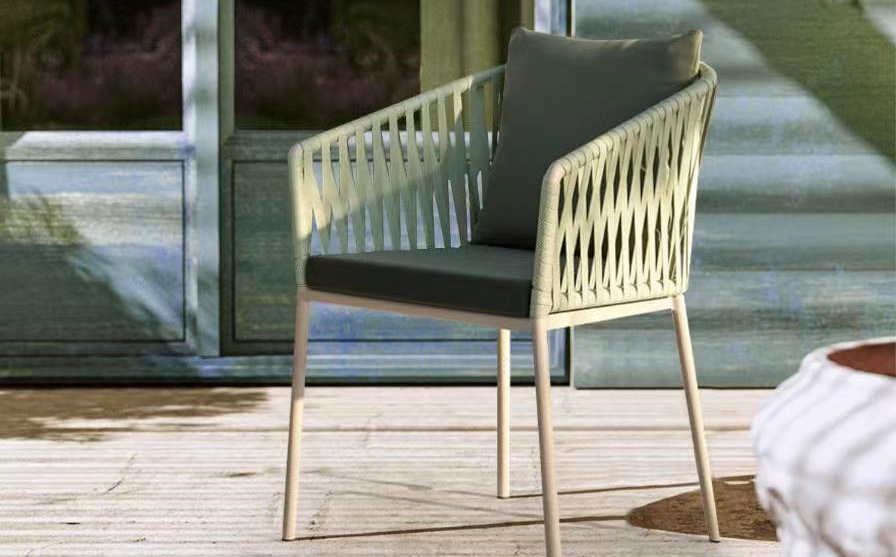 Before commencing any repair work, it is important to gather all necessary tools and materials. This preparation ensures a smoother repair process and better results.
Essential tools include screwdrivers (both flathead and Phillips), wrenches, pliers, sandpaper of various grits, a hammer, a brush for cleaning, and protective gear like gloves and safety glasses. A power drill and a set of drill bits can be helpful for more extensive repairs.
Depending on the chair's material, you may need wood glue, metal primer, rust remover, epoxy resin, replacement screws or bolts, touch-up paint, varnish, or sealant. For upholstery repairs, fabric patches, upholstery tacks, or a staple gun might be required.
Repairing an outdoor chair involves a systematic approach to identify and address each issue. Below is a detailed guide to help you through the process.
Begin by thoroughly inspecting the chair. Look for signs of rot in wooden parts, rust on metal, cracks or breaks in plastic components, and wear or tears in upholstery. Check all joints and connections for stability.
Wooden chairs are susceptible to rot and structural damage. To fix them:
Remove any rotten or severely damaged wood. Use a chisel or saw if necessary.
Sand the affected areas to remove splinters and smooth the surface. Start with a coarse-grit sandpaper and finish with a fine-grit for a smooth finish.
Fill cracks or holes with wood filler or epoxy resin. Allow it to dry completely.
Sand the filled areas until they are flush with the surrounding wood.
Apply a wood preservative or sealant to protect against future damage.
Refinish the chair with a weather-resistant stain or paint for added protection and aesthetic appeal.
Metal chairs often face issues like rust and corrosion. To repair them:
Use a wire brush or sandpaper to remove rust from the affected areas thoroughly.
Apply a rust converter to neutralize any remaining rust and prevent further corrosion.
Prime the metal with a metal primer to prepare it for painting.
Paint the chair with a rust-inhibiting metal paint designed for outdoor use.
Tighten any loose screws or bolts, replacing them with stainless steel versions if corrosion is an issue.
Wicker chairs can unravel or break over time. To fix them:
Repair broken reeds by applying a small amount of wood glue and pressing the ends together. Use clamps if necessary.
Replace missing or severely damaged wicker strands with new ones, weaving them into the existing pattern.
Trim any excess material and secure the ends with glue.
Apply a coat of clear varnish or paint to protect the wicker and unify the appearance.
Hardware often corrodes or loosens over time. Steps to address hardware issues include:
Inspect all screws, bolts, nuts, and washers for signs of rust or damage.
Tighten any loose hardware using the appropriate tools.
Replace rusted or stripped hardware with new, corrosion-resistant options like stainless steel or galvanized metal.
Consider applying a thread-locking compound to prevent fasteners from loosening due to vibrations or temperature changes.
After structural repairs, refinishing the chair enhances its appearance and provides protection:
Clean the entire chair thoroughly to remove dust, dirt, and debris.
For wood, apply a stain or paint suitable for outdoor use, followed by a sealant.
For metal, use a primer and paint designed for metal surfaces.
For wicker and plastic, consider a spray paint that adheres well to the material and offers UV protection.
Allow adequate drying time between coats as recommended by the manufacturer.
Regular maintenance significantly extends the life of outdoor chairs:
Remove dirt and debris regularly using mild soap and water. This prevents the buildup of substances that can cause deterioration.
Inspect chairs at the beginning and end of each season. Look for signs of wear and address them promptly to prevent minor issues from escalating.
Use protective covers when chairs are not in use, especially during harsh weather conditions. This minimizes exposure to elements that cause damage.
Store chairs indoors or in a sheltered area during off-seasons. This protects them from extreme temperatures and moisture.
Fixing an outdoor chair is a practical skill that not only saves money but also contributes to sustainability by reducing waste. By understanding the specific needs of different materials and following systematic repair steps, you can restore your outdoor chair to its former glory. Regular maintenance and prompt attention to issues will ensure that your outdoor seating remains safe, comfortable, and attractive for years to come.


